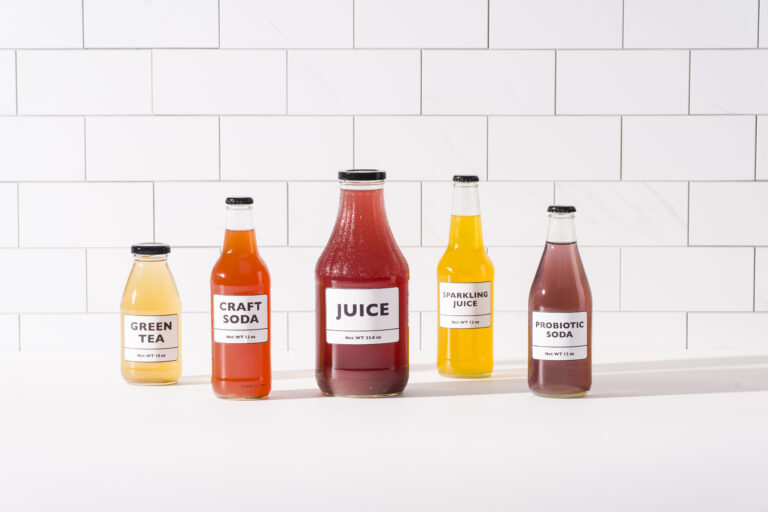
Packaging is no longer an afterthought for consumers. New survey data shows consumer packaging preferences are increasingly shaped by concerns about chemicals in food packaging, microplastics and packaging materials. As a result, glass packaging is becoming a more important consideration in food and beverage purchase decisions.
The study has insights that brand managers will find valuable. The EcoFocus 2026 Syndicated Study surveyed 4,046 U.S. consumers ages 18 to 79. According to the survey, at least half of consumers are extremely or very concerned about packaging related health concerns.
More importantly, these concerns are translating into behavior. More than half of consumers report changing what they buy to avoid packaging that may introduce unwanted chemicals.
This is no surprise. As we witness a population driven to healthy decisions, reflected by a rise in the use of GLP-1s and wearable monitoring devices, consumer concern about packaging and health is now the second-leading factor influencing purchase decision, separated from economics by only a 5-point gap.
The survey shows that consumers are concerned about chemicals leaching from packaging and frustrated by a lack of availability of packaging types that they perceive to be less risky, like glass.
Brands can no longer consider packaging as an afterthought, or even assume parity with existing offerings. Consumers are waking up to the implications of what their food and beverages are packaged in.
Consumers Actively Avoid Plastic … When They Can
Food and beverage consumers in the U.S. made it clear: they want to avoid chemicals in packaging. At least half of those surveyed said they had concerns about microplastics in water, food, and air, liquid and airborne chemicals, and plastics used in packaging food/water. Sixty-three percent said they were concerned about chemicals leaching from packaging.
They said glass packaging is the option they trust.
- 57% buy food and beverages in glass whenever available
- 64% wish more products came in glass
- 59% dislike buying beverages in plastic bottles but say alternatives are often unavailable
This data shows that consumers are actively avoiding some materials, plastics in particular, when they can – but they find they don’t always have a choice.
Brands can no longer consider packaging as an afterthought or even assume parity with existing packaging offerings. They clearly want more food and beverage packaging alternatives like glass. Consumers admit they will still buy the incumbent package, but this identifies an obvious demand gap just waiting for a brand to step in and fill the unmet desire.

Flawed Assumptions about Food and Beverage Consumers
Packaging changes are often treated as operational decisions, with the inherent belief that consumers won’t notice the change. The EcoFocus 2026 study shows that assumption is flawed and even potentially damaging to the brand.
The study shows moving away from glass comes with substantial consumer risk.
- 59% dislike when brands switch from glass to plastic
- 53% dislike when brands switch from glass to cans
In fact, 49% of consumers surveyed said they would leave a brand entirely if it switched from glass to plastic. The generations that are most likely to make the change are the younger generations who represent the purchasing power of the next decade: 60% of Gen Z and 64% of millennials report changing what they buy to avoid chemicals in packaging.
For brands, that preference is no longer just an awareness issue. The survey suggests it may present a meaningful business risk when packaging choices move in the opposite direction of consumer expectations.

Food and Beverage Consumers Have High Packaging Expectations for Healthy Brands
The survey shows that consumers have particularly high expectations of brands who market themselves as healthy. If a brand is rooted in high quality, health, and/or organic ingredients, treating packaging as an afterthought can be extremely detrimental to a product’s reception in the market.
- 72% believe products with healthier ingredients should be packaged in healthier materials
- 63% of Gen Z and 69% of Millennials expect natural and organic brands to use glass
Consumers want consistency between a product’s promise and its package. If brands are investing heavily in ingredient quality and product formulation, packaging may be an overlooked extension of that story.
Why Do Consumers Prefer Glass Packaging?
The answer may be simpler than brands think. Consumers are paying closer attention to packaging and questioning the materials that come into contact with their food and beverages. The survey found 59% of consumers agree that glass was the only food and beverage packaging where they don’t have to worry about chemicals.
The EcoFocus 2026 study found that these concerns are already influencing purchasing decisions, with more than half of consumers reporting they have changed what they buy to avoid certain types of packaging.
For many, glass represents an option they trust and one they wish was available more often.
H2 Subhead: What is Your Packaging Signaling to Health-Driven Consumers?
As we look at the market today, particularly to sub-segments and brands that are jumping on to the wave of health and wellness, it’s a critical moment to reflect on what your packaging is communicating to consumers.
Are consumer packaging preferences being addressed by your portfolio strategy?
Are there product extensions where glass could unlock new consumer access?
Could glass provide differentiation in the increasingly crowded health categories?
The EcoFocus 2026 survey suggests that consumers are increasingly seeing packaging as a holistic part of the product and brand experience. Short-sighted packaging decisions made as an afterthought to product development, particularly when it comes to innovative products, are costly and often lead to failed launches.
There are certainly many new innovations to be captured in the market. But if I can offer one consideration – maybe there is demand in markets you already serve today, just waiting for the right package type to catapult a brand into a leadership position. Maybe you can be the one to bridge the demand gap and capture the attention of the consumers of the future.
Methodology: EcoFocus surveyed 4,046 U.S. consumers ages 18 to 79 between May 28 and June 14, 2026. The study was nationally representative and balanced to U.S. Census demographics.